

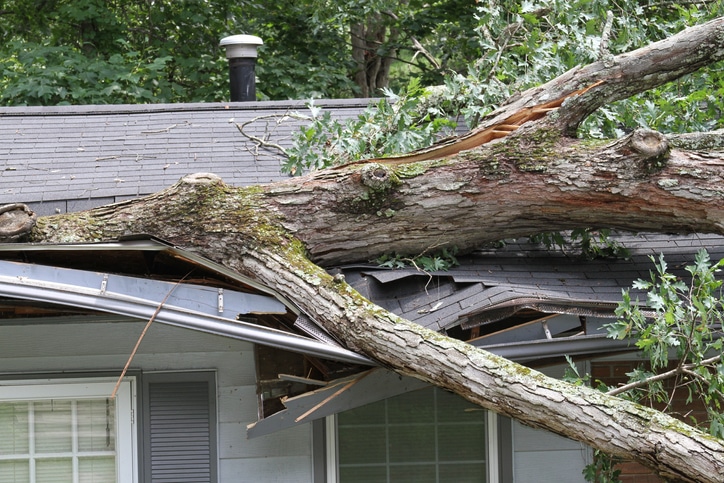
When homeowners think of protecting their roofs, shielding them from the elements often comes to mind. However, one overlooked threat is overhanging tree branches. These are dangerous because if they fall, they can do significant damage, such as dislodging multiple shingles and even making the whole roof cave in. To protect your home, it’s vital that you learn the risks of overhanging branches, signs of damage and some preventive tips.
The Risks of Overhanging Branches
Overhanging branches pose a myriad of risks. For instance, branches scraping against shingles can wear away protective granules, and cracks, dents and punctures can occur when they break away during fierce storms. What’s more, when tree limbs touch the roof, they provide a bridge that gives pests, such as squirrels and raccoons, easy access to your home. Excess shade can promote the growth of algae and moss, which can trap moisture against roofing materials and cause your roof to degrade over time.
Impact of Falling Debris
Debris from overhanging tree branches, such as sticks, acorns, pinecones and storm-blown litter, can fall onto your roof and cause weak spots or puncture it entirely. This debris can also clog your gutters, enabling water to pool on your roof. When there is enough standing water, your roof is at risk of caving in. And finally, damp debris on your roof holds moisture, accelerating rot and mold growth.
Signs of Roof Damage From Trees or Debris
In order to act quickly and prevent the structural integrity of your home from being compromised, you must know the signs of roof damage from overhanging tree branches and their associated debris. One telltale sign is missing, cracked or curling shingles near overhanging branches. When damage gets progressively worse, you may notice leaks or water stains inside the attic or ceilings. If debris buildup is severe, your gutters may sag, as they are holding water that has nowhere to go. The bare asphalt on your shingles will be more noticeable as granules disappear.
Prevention and Protection Tips
Now that you know the risks of overhanging branches, the impact of falling debris and the signs of roof damage, let’s talk prevention. Contact an arborist to trim overhanging branches, especially those that are within 6 to 10 feet of your roof. Don’t attempt to do this job yourself because tree trimming without the proper experience and equipment can be dangerous. Branches can fall wrong, damaging your home and hurting people nearby.
Additionally, you must also schedule seasonal roof and gutter cleanings, as this will prevent water from pooling on your roof and compromising it. Ask the roofing specialist who is performing maintenance to install gutter guards to prevent debris accumulation.
How Professionals Can Help
Roof inspections are also beneficial because they allow a licensed roofer to address vulnerabilities before they become catastrophic. They will thoroughly examine your roof to spot problems, as well as let you know of any nearby dangers like overhanging tree branches, so that you can act promptly to protect your home.
For dependable roof inspections and repairs, contact Point Roofing to keep your roof strong and your home safe in Boise, ID.