

Excess weight and extreme wear can leave roofs with visible dips or bows at their ridges. When rooflines sag, it’s an indication of severe structural failure. Without timely intervention, roofs could collapse. Read on to learn how to spot a sagging roofline on your home by assessing structural changes both indoors and out.
Why Sagging Rooflines Can Be Hard to Spot
Common roofing problems like torn flashing, missing shingles, and leaky roof protrusions are often difficult to ignore. They can cause wet spots on your ceiling or visible patches on your roof. You might even find collected moisture around the interior portions of your chimney, skylights, or exhaust vents.
Unlike the loss of shingles or other roofing materials, rooflines don’t sag all at once. Sagging rooflines don’t always have an immediate, visible impact on other building materials either. Instead, damaged rooflines frequently undergo a series of subtle, gradual changes over time.
Find a Point of Comparison
When checking for sagging at your roofline, find a flat, level plane that runs parallel to your roof. You can use this as a point of comparison. You might use your fence or your neighbor’s fence. If your roofline runs perfectly parallel to the top of the fence, sagging might not be an issue. But if areas of your roof bow or dip away from or toward the fence, you need a professional roofing inspection.
Check for levelness while standing in front of your property, and check again while standing across the street. Changing your perspective can also help you find additional linear points of comparison.
Misshapen and Missing Shingles
If you have an asphalt shingle roof, changes in its roofline will cause shingles to lift, buckle, and fall off. Wavy or curling shingles that no longer lie flat are an indication that the surface beneath them is no longer flat either.
Problematic Doors and Windows
Changes in your roofline come with changes in your roof’s substrate and the rough framing that supports it. These changes can affect the structure of your home throughout its top floor. If you have upstairs windows and doors that are off-track or difficult to open and close, you may have roofline problems.
Ceiling Damage
As shingles buckle and curl and your roof progressively fails, you may notice water spots on your ceiling, blistered paint, and other signs of interior water damage.
Wet Attic Insulation and Siding Damage
If you suspect changes in your home’s roofline, check your attic for wet insulation. You should also inspect your siding where it connects to your roof. Look for evidence of bulging and discoloration.
Gutter Detachment
Wet, warped wood and changes in the overall integrity of your roof can cause gutter fasteners to loosen and fall off. If you have sagging, leaky, or detached gutters, changes in your home’s roofline could be to blame.
Schedule a Roofing Inspection
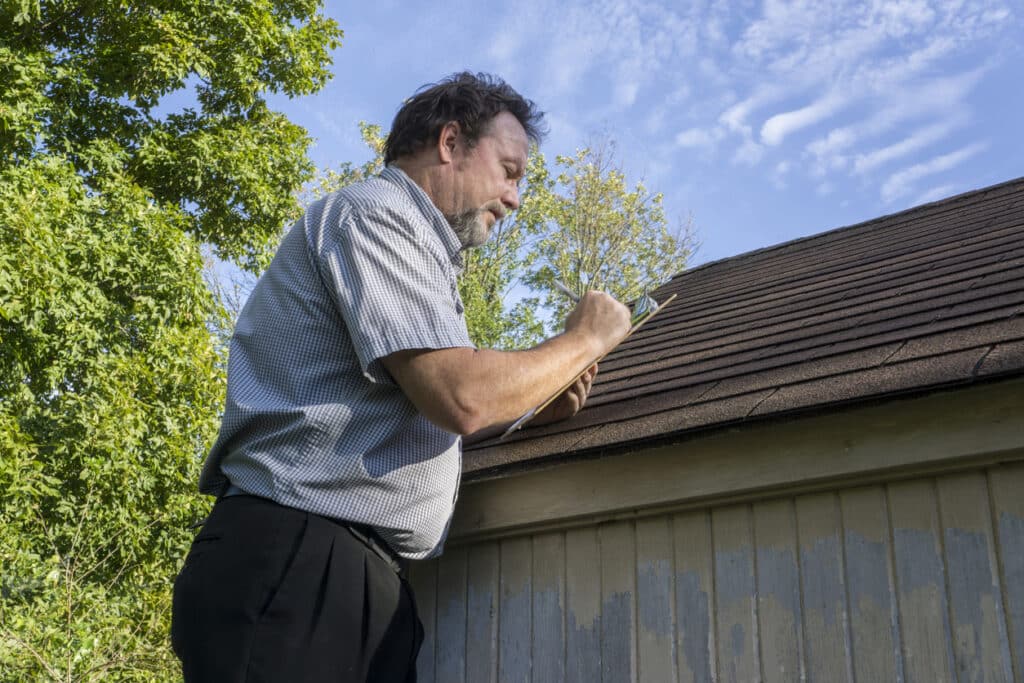
Basic indoor and outdoor assessments can help you spot the early signs of roofline problems. But the best way to identify progressive changes in your roofline is by scheduling a professional roof inspection. With regular, preventive roof inspections, a licensed roofer can track and document your roof’s integrity throughout its lifespan. This way, the need for roof replacement will never catch you off guard. For expert roof inspection and reroofing services in Boise, ID, contact Point Roofing now!